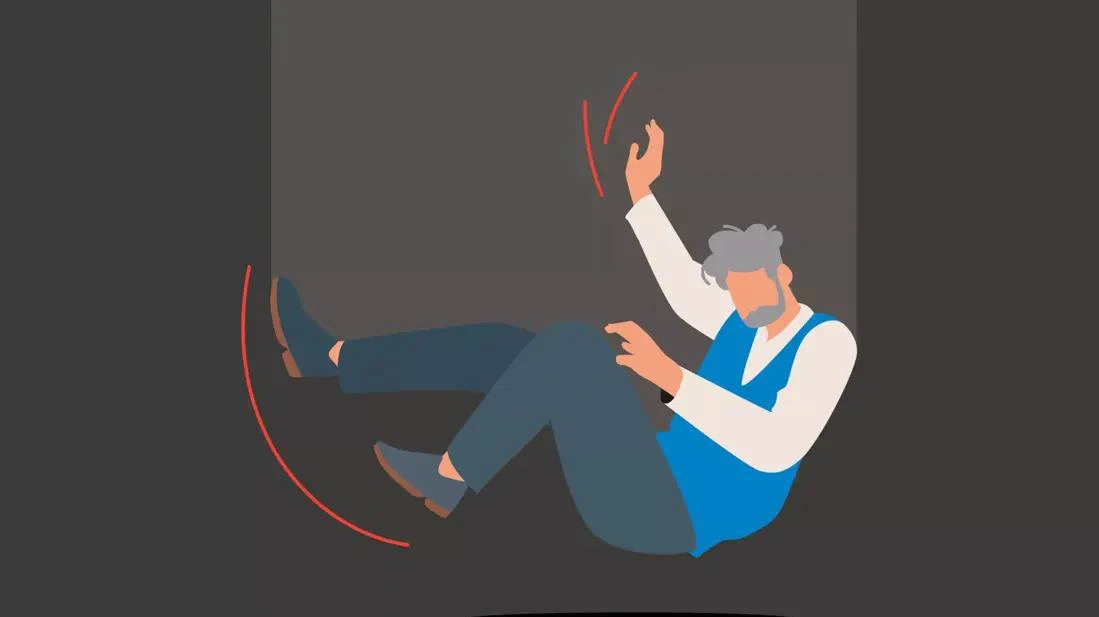
Fear is a natural emotional response to perceived dangers (Schoene et al., 2019). “Falling” is a “danger” as it can lead to reduced activity, isolation, and higher risk of falls (Schoene et al., 2019). Don’t let this fear hold you back! This blog dives into why this fear exists, how to boost your confidence, and how osteopathy may play a part in keeping you steady. Let’s take a step, safely, into the world of fall prevention!
What’s Behind the Fear of Falling?
Fear of falling affects nearly half of older adults (Dhar et al., 2022). This fear can come from a previous fall, seeing someone else fall (Asai et al., 2022), declining physical abilities, or health issues like arthritis or vision problems (Xiong et al., 2024). Imagine this: you’re afraid of falling, so you stop doing things you enjoy—taking walks, gardening, or even moving around the house. This inactivity leads to weaker muscles and poorer balance, making a fall more likely. It’s a tricky cycle, but one we aim to break (Montero-Odasso et al., 2022; Xiong et al., 2024)!
Asai et al. (2022); Baek et al. (2024); Fernandes et al. (2022); Savvakis et al. (2024)
How to Boost Confidence and Reduce Fear
1. Get moving with fun activities: Staying active may shake off your fear of falling. Exercises like tai chi, yoga, and light strength training have great potential for boosting strength, balance, mobility and confidence (Long et al., 2024; Savvakis et al., 2024).
2. Stay social: Staying socially engaged by joining a walking group, or visits with friends may keep your spirits up and your body active (Bu et al., 2020). Explore Seniors in Melbourne or Older people Melbourne for some ideas.
3. Get the right gear: Don’t be shy about using assistive devices. Canes, walkers,(Liu et al., 2023) and proper footwear (Kim & Hegazy, 2024) can help you move around safely. A podiatrist can provide specific footwear advice.
4. Make your home safe: Tweaks around the house like decluttering the floor, removing rugs, adding grab bars in the bathroom, and a well-lit home (Clemson et al., 2023), may reduce the likelihood of falls. An occupational therapist (Clemson et al., 2023) can help assess you in your environment.
5. Talk it out: A psychologist or counsellor can work through this fear with you (Lenouvel et al., 2023). Cognitive-behavioural therapy is one method they use to manage your anxiety around falling (Lenouvel et al., 2023). Your GP or Psychiatrist may provide you with a Medicare mental health plan for up to 10 subsidised psychology consults.
6. Shuteye: Seven to nine hours of sleep (Ramar et al., 2021) using a good mattress and comfortable pillow (Zhang et al., 2022) may give you the energy you need to decrease your fear of falls (Chen et al., 2024).
Osteopathy, your partner in preventing falls!
Here is how your Osteopath may be an ally in preventing falls! Osteopathic care includes manual therapy, education, advice and exercises (Plunkett et al., 2022).
1. Pain relief: Ouch! That stubborn hip pain!” Pain can limit your movement and increase your fear of falling (Fernandes et al., 2022). Osteopaths can assess, manually treat and manage your condition, likely resulting in safer and more comfortable movement (Fernandes et al., 2022).
2. Education and empowerment: You may think, “I can’t go shopping” or “I’m afraid to exercise in case it makes me fall.” By replacing fear with knowledge, osteopaths can empower you to understand your capabilities and facilitate independence (Montero-Odasso et al., 2022).
3. Exercises and balance: We will walk you through, simple, individualised exercises to do at home to boost your balance, strength, and mobility which are essential for avoiding falls (Long et al., 2024).
Below are a range of simple exercises; listen to your body and only do exercises that are comfortable for you and within your traffic light pain levels above. Speak to your osteopath about your acceptable pain range to avoid injury (De La Corte-Rodriguez et al., 2024).
- Sit-to-stand balance exercise
- Standing hip abduction with support
- Balance Exercises
- Staggered stance (balance)
- Single Leg Stance (balance)
4. Referral: You may not be aware that you are experiencing symptoms of an undiagnosed condition contributing to your falls risk. Your osteopath may write you a referral letter to your GP for further assessment.
Conclusion
Fear of falling is common, but with the right strategies, you can build confidence, stay active, and enjoy your golden years. Osteopathy, with its focus on holistic health, may assist you in your falls prevention journey.